


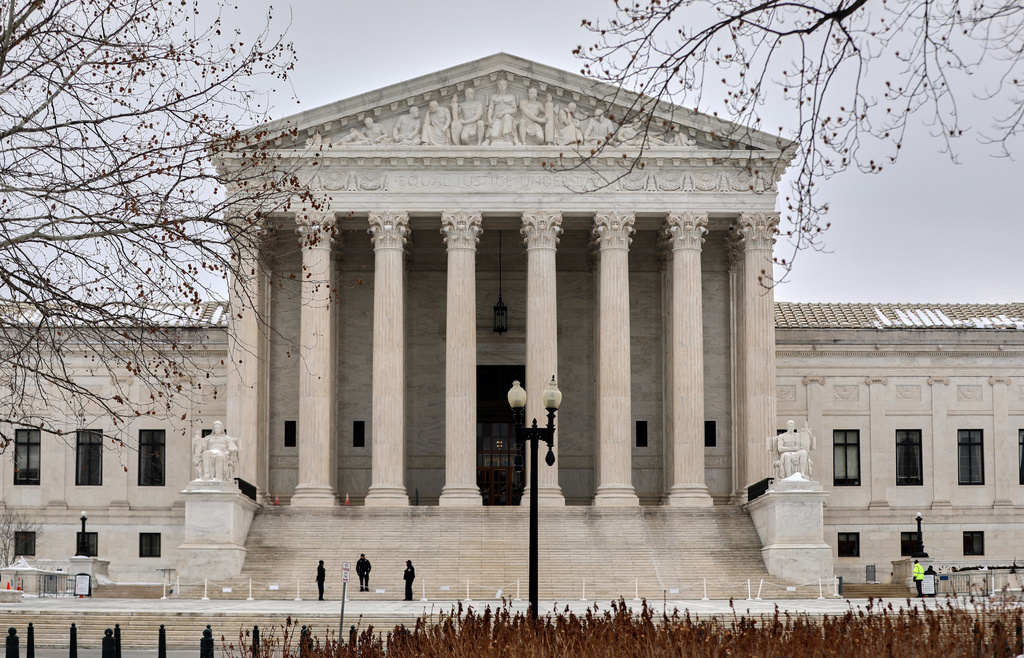
(SRN NEWS) – The Trump administration has asked the U.S. Supreme Court to clear the way for President Trump’s executive order that would dramatically change mail-in voting before the November midterms. In plain terms, the Justice Department wants the high court to pause lower-court decisions that blocked parts of the plan-so the policy can move forward while lawsuits continue.
Why does this matter? Supporters of the President maintain that elections are the foundation of self-government. If the ballot is not secure, if it is not properly delivered, and if it is not limited to eligible citizens, then every outcome becomes suspect. The administration’s position is that Americans should trust elections-and that requires enforcing existing eligibility rules with modern, auditable systems.
At the heart of the order is a proposed “state citizenship list” of eligible voters. The executive direction in March calls for federal agencies-specifically U.S. Citizenship and Immigration Services and the Social Security Administration-to create a federal list of eligible voters. The U.S. Postal Service would then deliver mail ballots only to people on that list. The administration argues this is a safeguards-first approach: fewer opportunities for fraud, fewer opportunities for confusion, and a clearer line between eligible voters and everyone else.
Supporters of the plan see it as a common-sense response to persistent concerns about mail voting. They point out that noncitizen voting is rare, but rare doesn’t mean impossible-and election confidence can’t afford uncertainty. In the administration’s view, the goal is not to punish lawful voters. It’s to ensure ballots reach only those who are legally entitled to cast them.
The order also includes technical measures designed for accountability. It directs that ballots use secure envelopes with unique barcodes for tracking. That matters politically and practically: unique identifiers and tracking help prevent mishandling, lost ballots, and tampering. The order further suggests that federal funding could be withheld from states and localities that don’t comply-an incentive structure that, in the conservative frame, encourages uniform standards across jurisdictions.
Critics disagree sharply. Democratic officials in 23 states and the District of Columbia have sued, arguing the Constitution assigns election-rule authority to states and Congress-not to a president acting through an executive order. Their lawyers say the proposal is ripe for abuse and could lead to chaos.
And courts have already become involved in that dispute. A judge in Massachusetts blocked implementation for the plaintiff states, and a divided panel of the 1st U.S. Circuit Court of Appeals left that decision in place.
In its request to the Supreme Court, the administration argues that the injunction is premature and goes beyond what courts should do while agencies are still deliberating about how to implement the policy. The Solicitor General has urged the justices to act quickly because any new election policies need time to be in place before the election timeline becomes real-not theoretical.
Also, this request comes on the heels of President Trump’s primetime address in which he renewed his long-running critique of the legitimacy of elections. The legal stakes are clear: there may be more voting-related challenges coming before the midterms, and the Supreme Court’s decision could shape what voters experience and what officials are permitted to do.
This is the essence of the conflict: conservatives emphasize secure citizenship verification, standardized delivery, and accountability. Democrats emphasize federalism, constitutional limits, and the risk that sweeping changes will be imposed from the top down.
The Supreme Court’s ruling-expected soon-will determine whether the administration can proceed or whether lower-court blocks remain. In November, when the ballots are counted and the consequences spread across Congress, the question won’t just be legal. It will be political, moral, and deeply practical: will the country trust the process that produced the results?
Brought to you by www.srnnews.com