



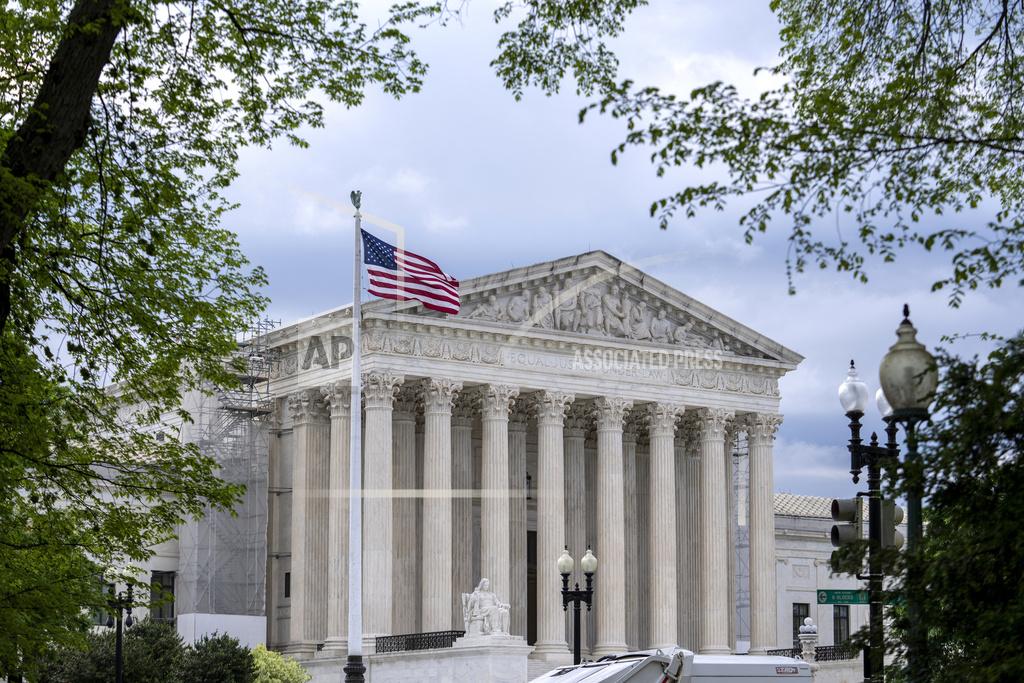
(SRN NEWS) – The Supreme Court has opened a path for the Trump administration to begin implementing an executive order that would restrict how mail-in ballots are delivered-but the justices stopped short of ruling on whether the order itself is legal.
The court’s decision came Monday in an emergency appeal brought by Democratic officials from 23 states and the District of Columbia. The states had asked the justices to keep the order blocked while the courts consider its constitutionality.
The conservative-majority court ruled that the states did not have the legal standing to bring the challenge. That means the administration may be able to take steps toward putting the order into effect, although additional lawsuits could still halt or delay the policy.
In an unsigned opinion, the court emphasized that its decision was limited. The justices wrote that the ruling “does not mean that any measure taken by the Government to implement the Order will necessarily be lawful.”
The order, signed by President Trump in March, directs the administration to create lists of eligible voters and instructs the U.S. Postal Service to deliver mail ballots only to voters on those lists. New requirements released last week would also prohibit the Postal Service from sending ballots from states that do not comply with the order.
The administration says the changes are intended to promote election integrity and prevent ballots from being sent to people who are not eligible to vote, including noncitizens. Federal attorneys told the Supreme Court that lower-court rulings had prevented the government from finalizing the proposed safeguards ahead of the November elections.
A group of Republican-leaning states supported the administration, arguing that states would have a role in preparing the voter lists and that the policy should be allowed to proceed while legal questions are resolved.
But Democratic officials and election administrators say the order could disrupt election preparations and create confusion for voters. They argue that the Constitution gives states and Congress-not the president-the authority to regulate federal elections.
The legal dispute is unfolding under a tight deadline. North Carolina plans to send ballots to overseas and military voters on September fourth, and other states will begin mailing ballots within weeks. The Postal Service announced procedures for implementing the order last week, but major changes could be difficult to put in place so close to the election.
Lower courts have issued conflicting decisions. A federal judge in Massachusetts blocked the plan for the midterm elections in the states involved in that case, and an appeals court upheld the ruling. In a separate case in Washington state, another judge allowed the administration’s policy to proceed, a decision later upheld by an appeals court.
Mail voting has become increasingly popular among voters from both parties. About thirty percent of ballots cast in the twenty-twenty-four presidential election were submitted by mail, according to federal data.
The Supreme Court’s latest decision leaves the policy in legal limbo. As one election-law scholar put it, this may be only the first inning of a fast-moving nine-inning game.
Brought to you by www.srnnews.com