



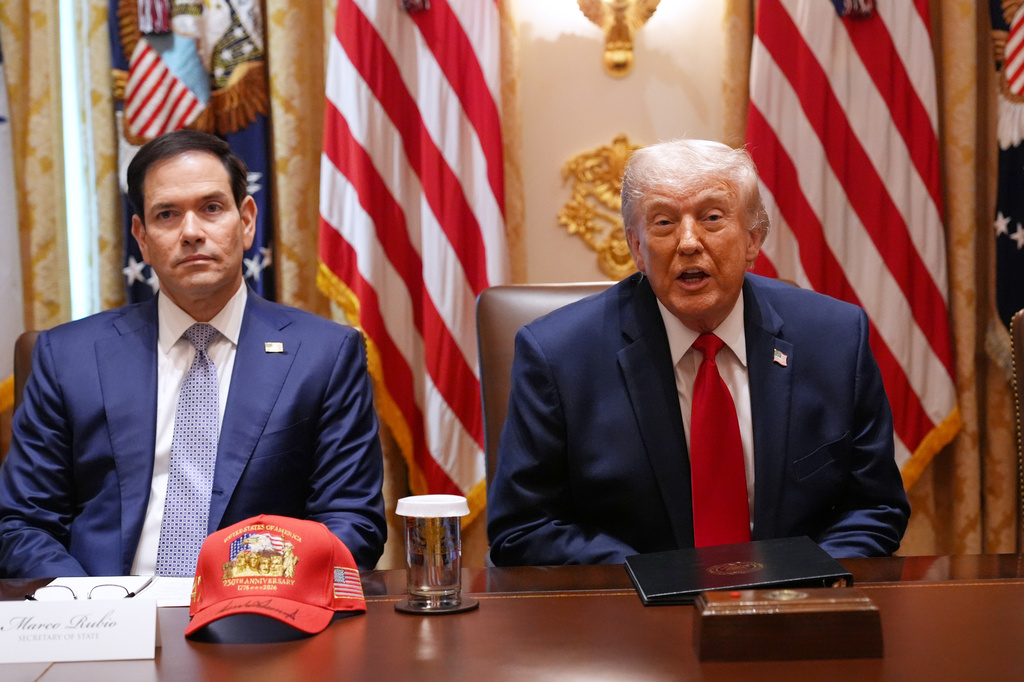
(SRN NEWS) – President Donald Trump says he faces a major decision on Iran as the Islamic Republic’s military and economy remain under severe pressure, and its leadership appears increasingly vulnerable.
In an interview Thursday with Axios, Trump acknowledged that he is at a crossroads over whether to launch renewed attacks aimed at eliminating Iran’s remaining military and political leadership-or pursue another path to bring the conflict to an end.
“I have a big decision coming up. Do I want to go in and annihilate them or do I not?” Trump said. “It’s a big decision. Anything could happen with me.”
The president’s warning reflects the hard choices facing the administration. Iran has absorbed heavy damage, but its leaders may still be hoping to prolong the conflict, create political divisions in the United States, and wait out American public opinion.
The timing is especially important. The 2026 midterm elections are approaching, and Republicans want the war concluded, energy prices reduced, and the American economy moving in the right direction before voters head to the polls.
Iran’s leadership understands that political pressure. A long and costly war could provide Democrats with an opening, even as Republicans argue that President Trump’s aggressive strategy has left Tehran weakened and unable to threaten the region as it once did.
Trump indicated that his next move could be shaped by meetings with Gulf allies during next week’s United Nations General Assembly gathering. Countries including Saudi Arabia and Kuwait have generally been viewed as important American partners, and both have suffered attacks linked to Iran and its regional proxies.
“I want to find out where they are and how they are doing. We have been very protective of them,” Trump said.
That consultation could prove critical. The Iran-backed Houthis launched fierce attacks against Saudi Arabia this past week, raising fresh concerns about the security of global oil and gas supplies.
The United States is reportedly providing satellite intelligence to Saudi Arabia rather than direct military assistance. At the same time, China is providing similar support to Iran, raising questions about whether Washington and Beijing have held recent discussions about the escalating crisis.
For Republicans, the economic stakes are just as serious as the military ones. Treasury Secretary Scott Bessent has suggested that oil prices could fall dramatically after a peace agreement with Iran-possibly reaching forty dollars a barrel-as energy supplies recover and inventories continue to build.
Still, Iran’s ability to resume petroleum exports quickly remains uncertain. The country is currently producing little, and restarting its energy infrastructure could take time even after an agreement.
The situation now appears to be a contest of resolve. Iran, along with supporters China and Russia, has an incentive to drag out the conflict. But a divided and uncertain American government would serve those nations-not the United States.
President Trump’s upcoming consultations with Gulf leaders may help determine whether the next step is diplomacy, continued pressure, or decisive military action.
Brought to you by www.srnnews.com