
By Amina Niasse
NEW YORK, Oct 2 (Reuters) – A crackdown on Obamacare health insurance could raise prices for US consumers and insurers by removing healthy, low-cost enrollees, adding pressure to a shrinking marketplace.
The 2010 Affordable Care Act created income-based government-subsidized health plans for individuals, with 19 million people now enrolled. Millions have dropped out this year as extra COVID-19 pandemic subsidies expired.
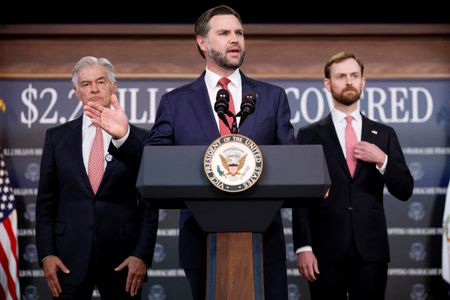
The Trump administration now says fraud contributed to the growth. Vice President JD Vance said last week the government had removed 760,000 enrollees it believed did not exist or who had been fraudulently signed up by brokers and were unaware of their insurance coverage. Another 400,000 are under review.
The government is also banning hundreds of brokers and will not accept new brokers, saying new brokers – who were paid a monthly fee for each enrollee – are often the ones who committed fraud.
The changes could impact legitimate members who were simply not using their health plans because they were healthy, policy experts said.
As the number of low-medical-use enrollees drops, a sicker mix of patients could eat into profits for insurers like UnitedHealth and Centene in the remaining months of 2026 and 2027, investors and analysts said.
“The premium rates for 2027 have already been filed, and at this point, they’ve all been approved and locked down,” said Matt McGough, a policy expert at health policy research firm KFF.
UnitedHealth and Centene did not provide immediate comments.
A spokesperson for the Centers for Medicare and Medicaid Services said the plan cancellations were based on a longstanding verification process, focused on enrollees who were signed up by a broker and were missing key identification information, like a US Social Security number. Legitimate enrollees can be reinstated after verifying their identity, the spokesperson said.
The news has weighed on health insurance shares. Centene, Molina and Elevance fell 1.5%, 6.5% and 4.2% in the week since the announcement while UnitedHealth shares fell 2.6%.
RISING COSTS
Costs for patients and insurers were already on the rise in 2026 after the extra COVID-19 subsidies expired and medical costs rose.
Insurers in July requested a median premium increase of 15% for 2027, according to a KFF analysis of rate filings across all 50 states and Washington, D.C., marking a second consecutive year of double-digit increases. 2027 plans are available starting on November 1.
While insurers can adjust premiums when they anticipate healthcare cost increases, profits get squeezed by steep membership drop-offs after rates have been set.
“Insurers generally do a great job pricing for a sicker population when they have reliable information, but unexpected changes in enrollment or policy after premiums are set create earnings risk,” said Daniel Barasa, portfolio manager at Gabelli Funds.
Insurers will likely set prices even higher in 2028 to reflect the drop in enrollees, further exacerbating growth, three investors and two policy experts said.
REPUTATIONAL HIT
Brokers bring in 75% of people enrolled in the marketplace, according to government data released in 2026.
Mike Smith, president emeritus at The Brokerage Inc., a brokerage agency in Flower Mound, Texas, said he thought consumers would be less likely to use brokers and sign up for plans because of the fraud announcement and ban on new brokers.
“People will think negatively of the ‘fraudulent insurance brokers’ and paint all of the good brokers with a wide brush,” Smith said.
Obamacare plans can be purchased directly through Healthcare.gov or through state-run exchanges. There are 84,000 brokers nationwide who can help individuals pick a plan this year, according to the Department of Health and Human Services.
Three investors said companies with a diverse business outside of Obamacare, such as UnitedHealthcare, will better navigate these changes.
UnitedHealthcare is bolstering its employer-backed insurance plan choices as it moves away from ACA plans, Stephanie Link, chief investment strategist at Hightower Advisors, said.
“Simply put, public exchanges have become less predictable,” she said. “Lower volumes and higher pricing haven’t really worked.”
(Reporting by Amina Niasse; Editing by Caroline Humer and Nia Williams)
Brought to you by www.srnnews.com